Fatal Truck Accident Lawyer: Wrongful Death Claims and Legal Costs Explained
Kicking off with Fatal Truck Accident Lawyer: Wrongful Death Claims and Legal Costs Explained, this opening paragraph is designed to captivate and engage the readers, providing a comprehensive overview of the topic.
Continuing with detailed information on fatal truck accidents, the role of a lawyer, wrongful death claims, and legal costs in such cases.

Fatal truck accidents refer to collisions involving large commercial trucks that result in the death of one or more individuals. These accidents can have devastating consequences for the victims and their families, leading to wrongful death claims and legal battles.
According to the National Highway Traffic Safety Administration (NHTSA), there were 4,761 fatal accidents involving large trucks in the US in 2017. This represents a 9% increase from the previous year and highlights the serious issue of truck accidents on American roads.

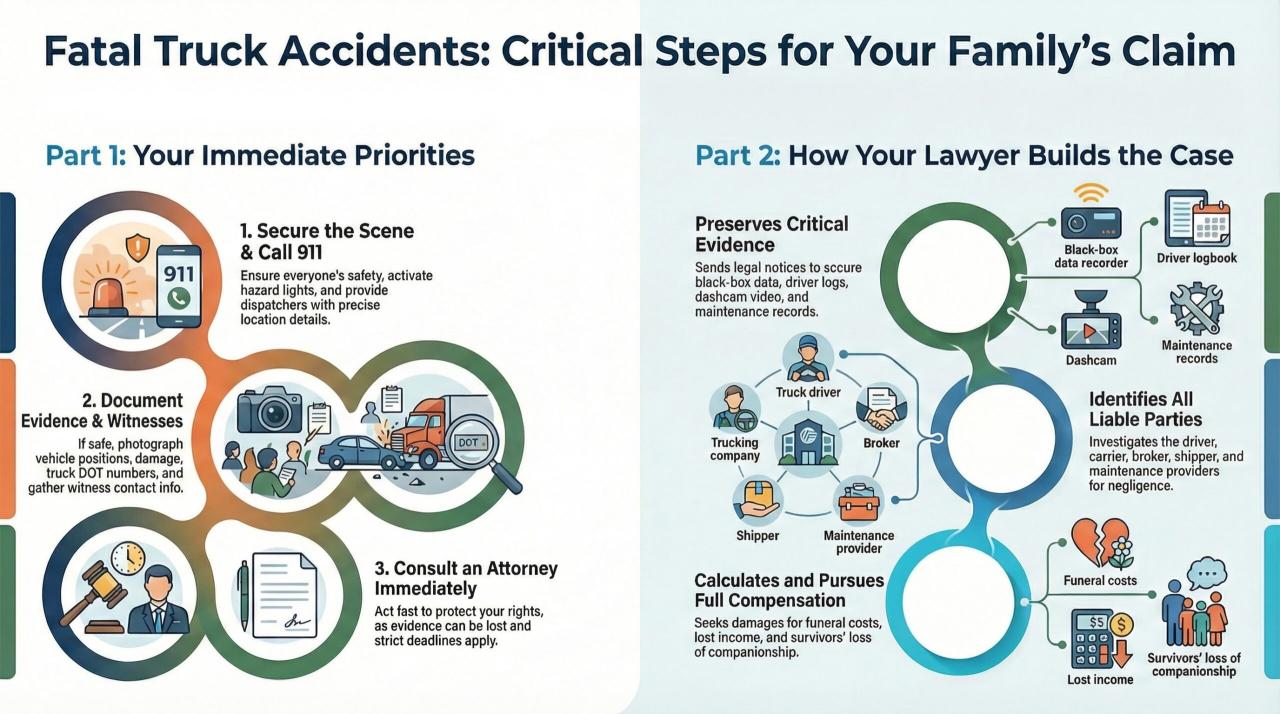
When it comes to fatal truck accidents, a lawyer plays a crucial role in guiding the legal process and ensuring that the rights of the victims and their families are protected.
A fatal truck accident lawyer can assist the family members of the deceased in navigating the complexities of filing a wrongful death claim. This includes:
It is crucial for those affected by fatal truck accidents to seek legal representation to ensure their rights are protected and to increase their chances of obtaining fair compensation. A lawyer can:
Wrongful death claims in the context of truck accidents refer to legal actions taken against a party whose negligence or misconduct led to the death of an individual in a truck accident. These claims seek to provide compensation to the surviving family members of the deceased.
In the case of a fatal truck accident, the immediate family members of the deceased, such as spouses, children, or parents, are typically eligible to file a wrongful death claim. Some states may have specific laws outlining who can bring forth such a claim, so it is important to consult with a legal professional to understand the eligibility criteria.
When dealing with a fatal truck accident case, it is important to understand the legal costs involved in hiring a fatal truck accident lawyer and the potential financial implications for the claimants. Let’s delve into the typical legal costs associated with such cases and how legal fees are structured in wrongful death claim cases.
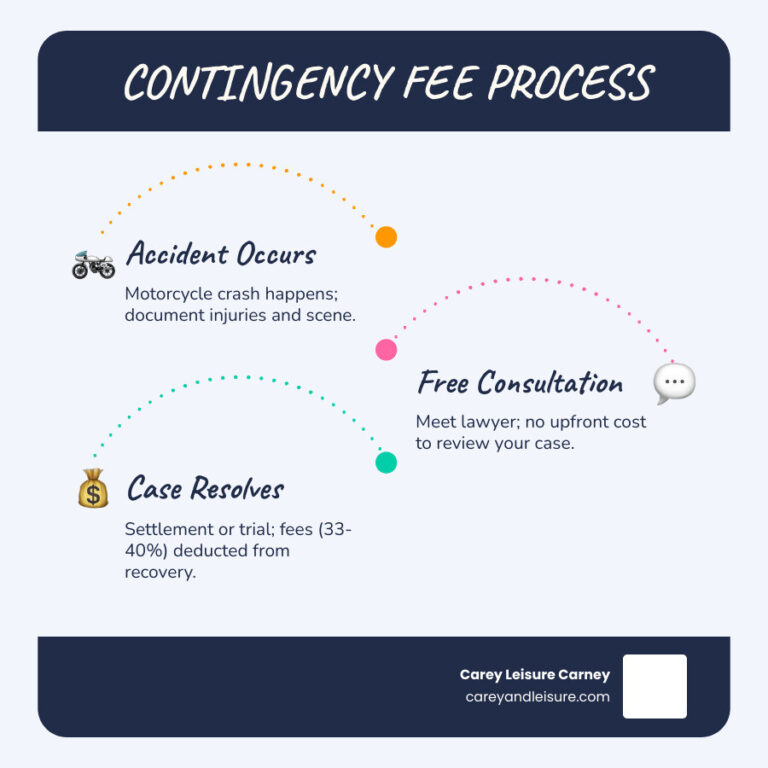
In fatal truck accident cases, legal costs can vary depending on the complexity of the case, the experience of the lawyer, and the specific circumstances surrounding the accident. Typically, lawyers handling wrongful death claims in truck accidents may work on a contingency fee basis.
This means that the lawyer only gets paid if the claim is successful and a settlement or verdict is reached. The lawyer’s fee is usually calculated as a percentage of the final settlement amount, which can range from 25% to 40%.
For claimants involved in fatal truck accidents, there are potential financial implications to consider. Apart from the legal fees, claimants may also incur other expenses such as court filing fees, expert witness fees, and costs related to gathering evidence and conducting investigations.
It is essential to discuss these potential costs with your lawyer upfront to understand the financial implications and plan accordingly.
What is considered a fatal truck accident?
A fatal truck accident is a collision involving a commercial truck that results in the death of one or more individuals.
Who can file a wrongful death claim after a fatal truck accident?
Typically, immediate family members of the deceased individual can file a wrongful death claim after a fatal truck accident.
What are the common causes of fatal truck accidents?
Common causes include driver fatigue, speeding, distracted driving, poor vehicle maintenance, and inclement weather conditions.
How are legal fees structured in wrongful death claim cases?
Legal fees in wrongful death claim cases are often structured on a contingency basis, meaning the lawyer only receives payment if the claim is successful.